Hello, I'm
AI Automation Engineer &
Creative Technologist
I take a business idea and build the automated system around it — the pipeline and the pictures. RAG platforms, workflow automation, SaaS products, and character-consistent AI film.
See the work Résumé
Path
Education
Map the manual process end to end and find where it actually breaks — not where someone says it breaks.
Design the pipeline and decide where humans stay in the loop. Full autopilot is usually the wrong answer.
Ship the smallest system that runs the whole way through, then extend it.
Token limits, timeouts, malformed input, offline behaviour. This is where most of the real engineering goes.
Dashboards and controls the operator drives without me in the room.
The goal is never to finish it with the tool I already know. It's to finish it properly — the tool is whatever gets it there.
Ritesh
Let's build
something that
runs itself.
I'm a hybrid of two things that don't usually sit in the same person: creative production and automation engineering.
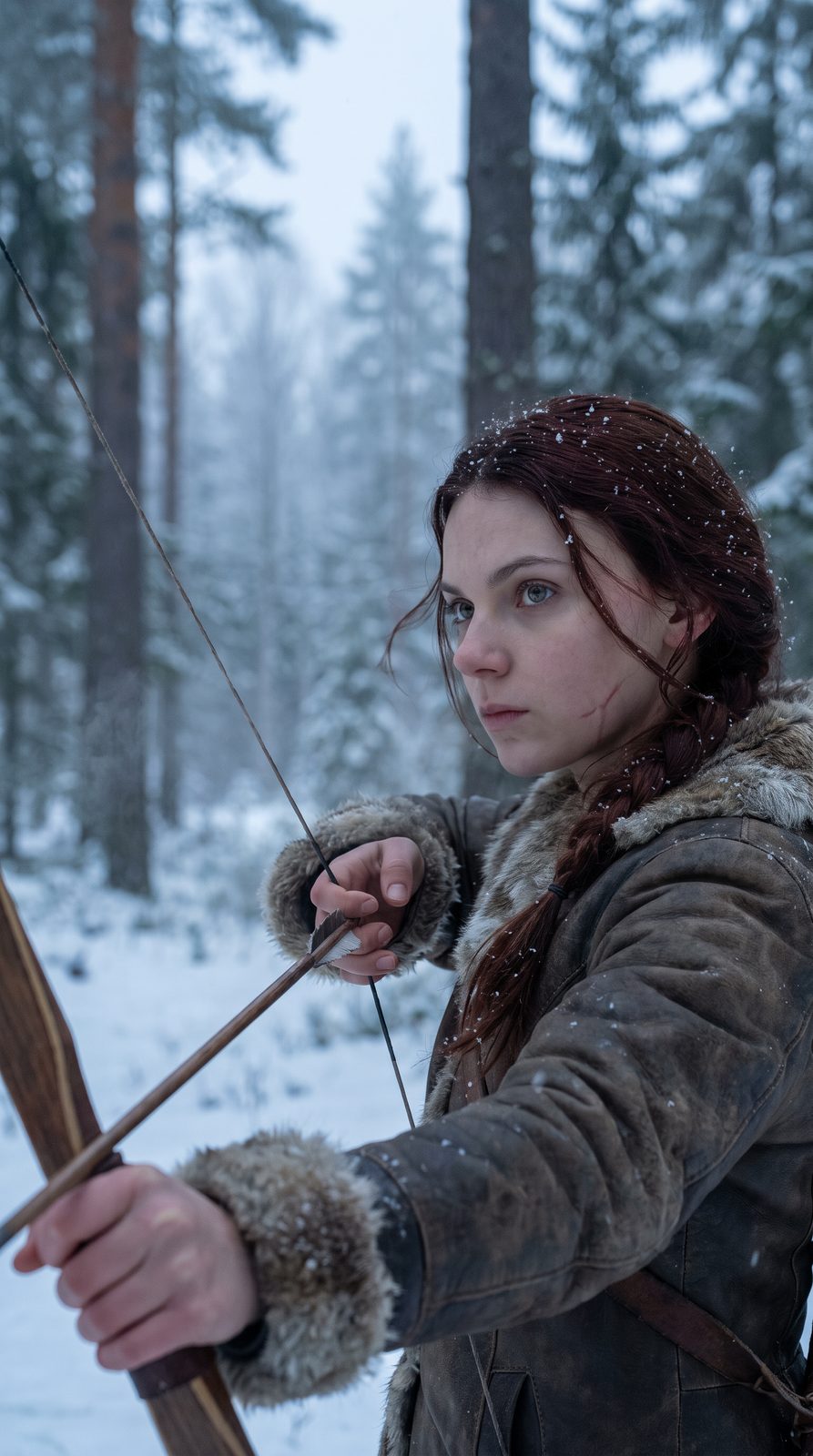
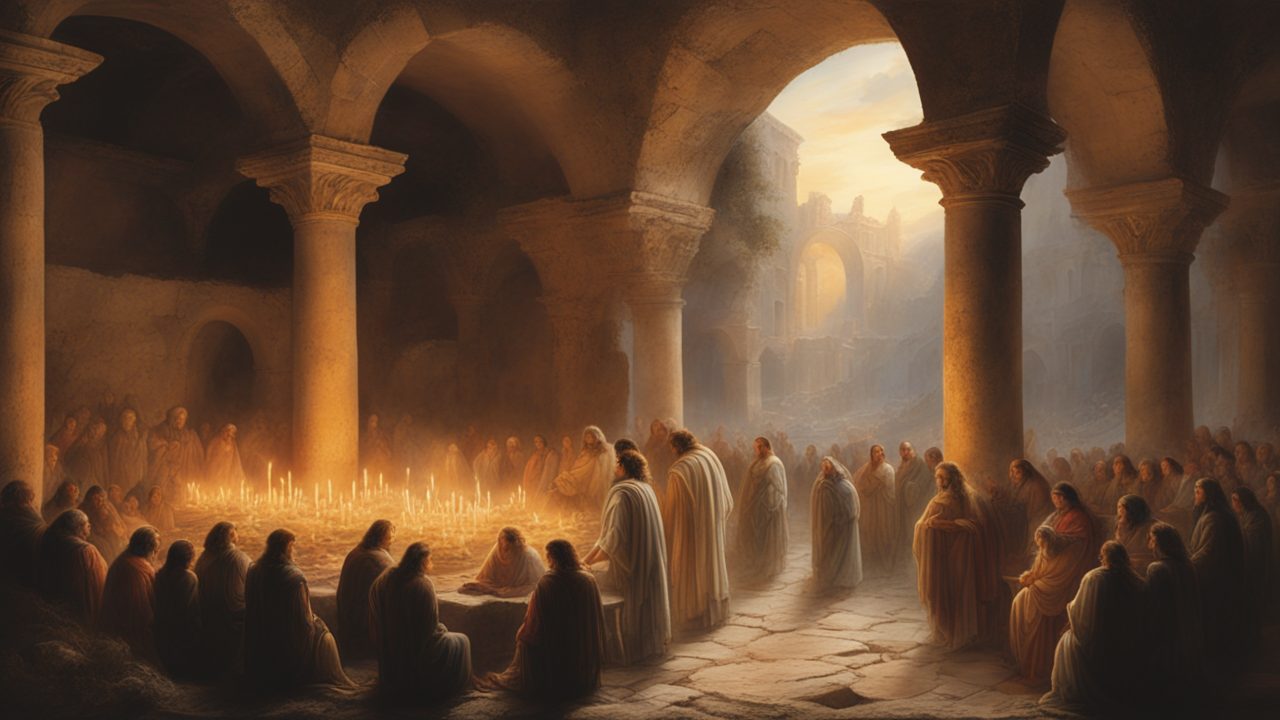
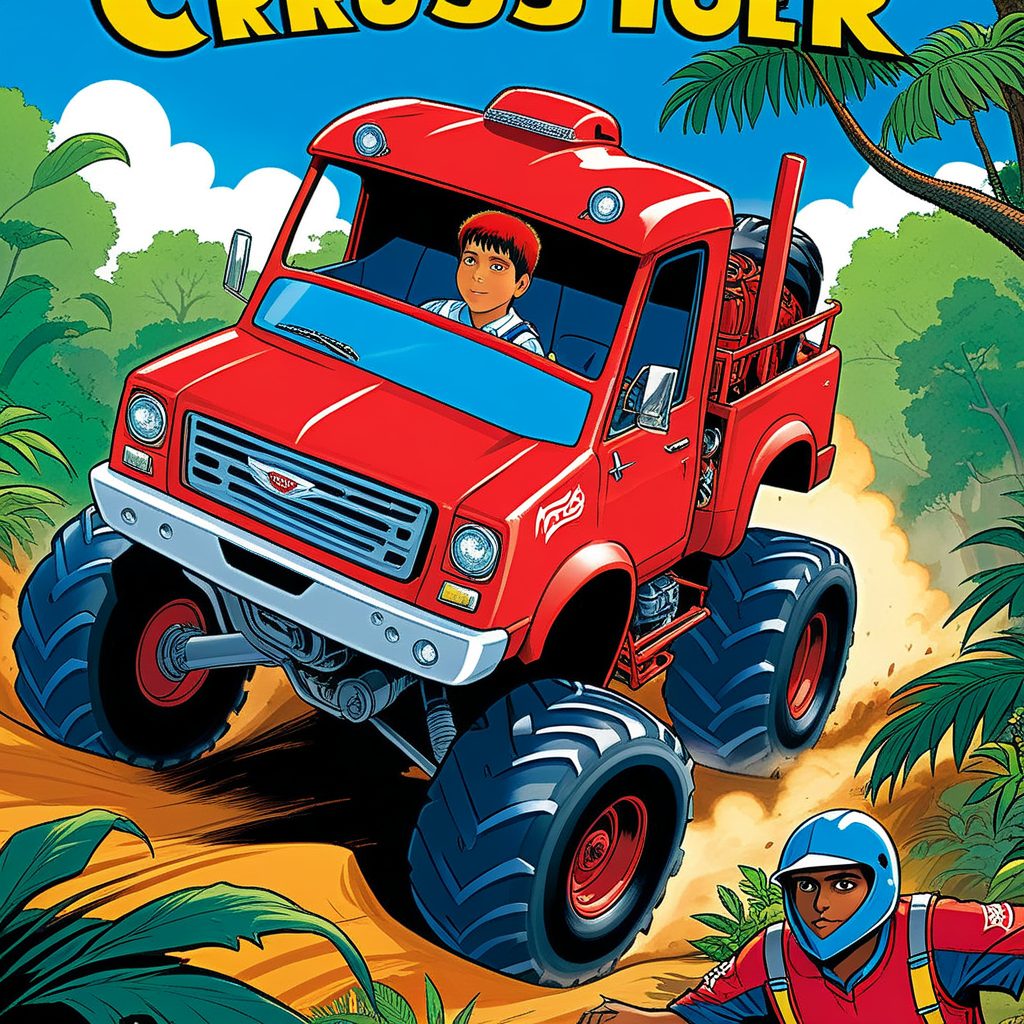
On the creative side I've delivered 100+ animated music videos for independent artists internationally — including a full catalogue for Wele Moyne Alexander — owning the whole pipeline from concept and character design through to the final cut. On the technical side I've built SaaS products and automation systems that businesses run on daily.
Most people are one or the other. A creative who can't build the system, or an engineer who needs someone else to decide how it should look and feel. I do both, which means I can take an idea and build the entire thing around it — the pipeline and the pictures.
My path has been continuous re-learning, not a single skill I've been coasting on. I started in creative work, moved into automation, and then into building software for businesses — CRMs and internal tools, but also content production systems, which most automation people never touch.
That range came from repeatedly deciding to learn the next thing rather than waiting to be trained on it. I'm also genuinely stubborn about problems: I'll stay up through the night to get something working rather than leave it broken. Keeping up with a moving field is mostly that — treating every new tool as another problem to solve, not a threat.
Then I learn it. My ability to finish a project isn't tied to one piece of software.
The goal is never "complete this using the tool I already know" — it's to finish the work properly, and the tool is whatever gets it there. I've picked up new platforms mid-project more than once because that was what the job needed. A stack I haven't used yet is a few days of learning, not a reason to hand the project back.
Yes — mostly by removing manual work and recurring vendor costs. Three examples:
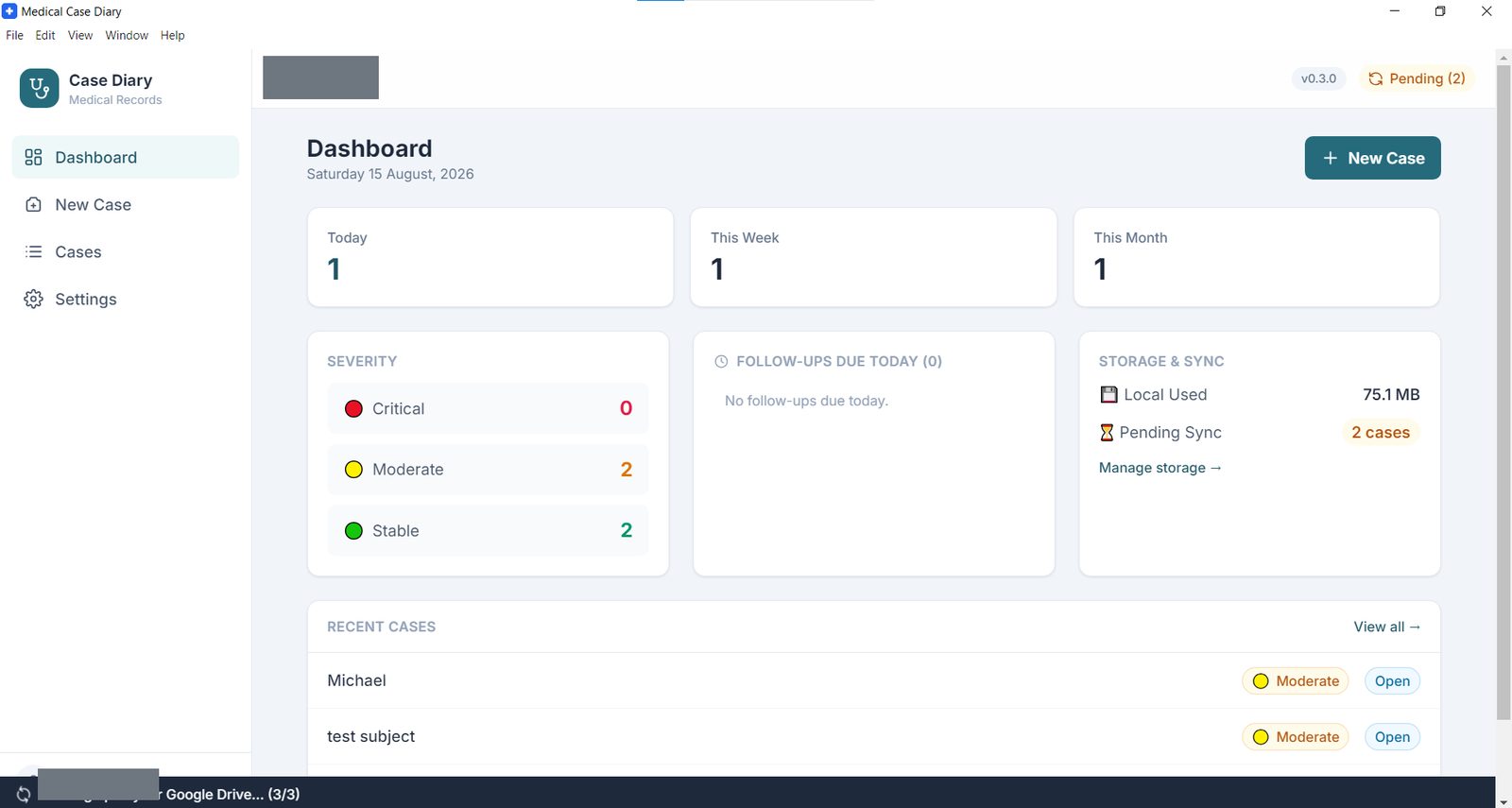
A clinic app for doctors. Doctors were tracking patients and cases by hand — digging through records, trying to remember returning patients. The app I built keeps the full case history automatically, with no per-patient cost, and the data stays in the doctor's own Google Drive rather than on someone else's server. That last part matters: they're not paying for storage and they're not handing patient records to a third party. Read the case study →
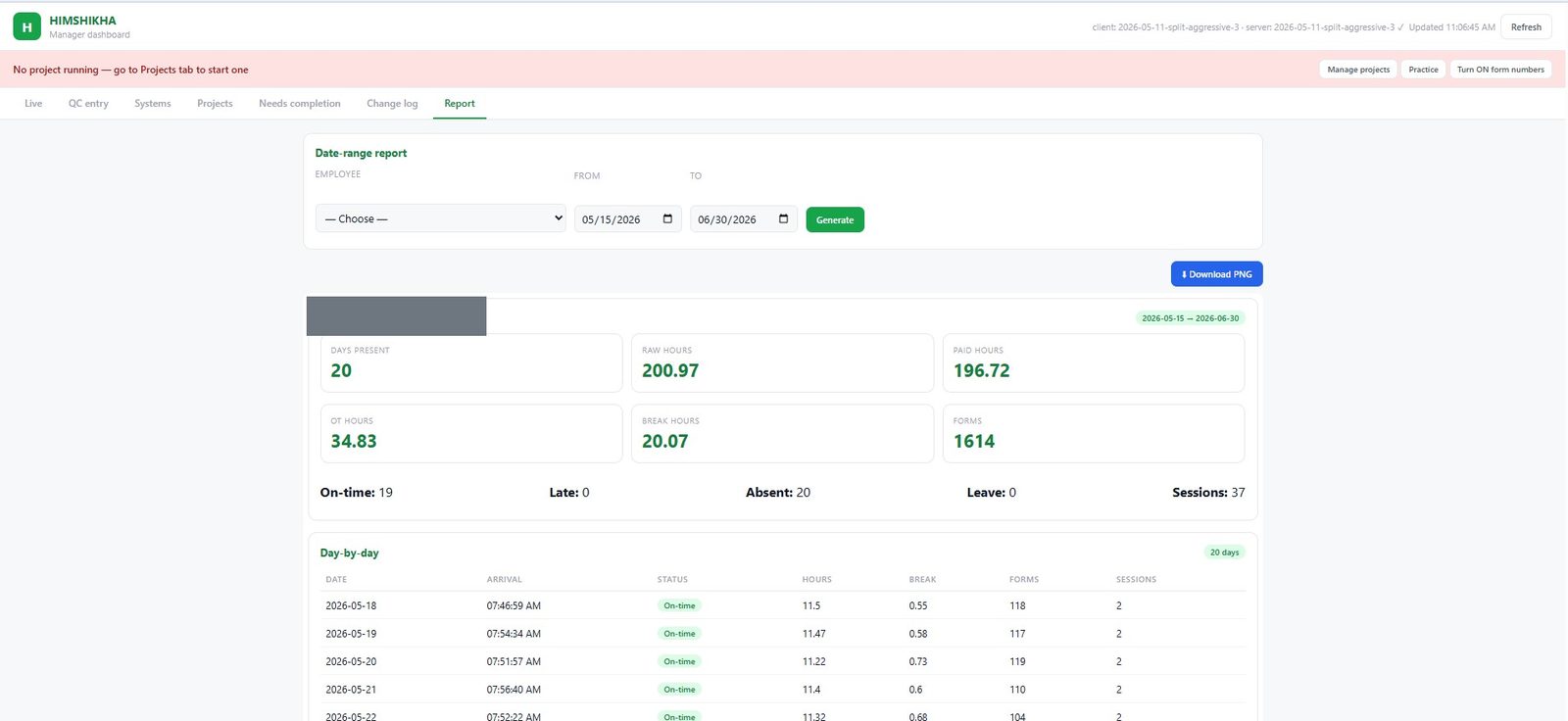
An attendance and performance system. Companies pay monthly for attendance-tracking software. I built a custom system instead, covering attendance through to full-day productivity — so instead of just knowing who showed up, you see how much work actually got done, reviewable every week from the top. It replaced a recurring subscription with something the business owns. Read the case study →
End-to-end YouTube content automation. Built under Rex Automaton — script generation through to final video and upload, running independently. What normally takes a small content team runs as a pipeline. Read the case study →

Currently exploring AI filmmaking and automation roles. Happy to walk through any of these systems in detail — architecture, trade-offs, and what broke along the way.
Résumé (PDF)